The cafeteria at Travis Heights Elementary in south Austin smells, at 11:45 on a Tuesday, of warm tortillas, glue stick, and the particular tang of small children in May. The writer spent five lunch periods there in the second week of the month, sitting at the end of a long blue table with a notebook, asking permission to look in lunch boxes.
What she found surprised her, and she taught second grade for twelve years.
The premise of the packed lunch, as most parents understand it, is that the parent makes choices the child would not make for themselves. The reality of the packed lunch, as observed in a public elementary school, is that the child returns home with about forty percent of what was packed, eats roughly the same things every day, and trades or discards the rest.
Mrs. Linda Carrasco, a Travis Heights second-grade teacher of nineteen years, said it more simply. They eat what they like. They throw out the rest. We have a compost bin now, which makes the throwing-out visible.
What gets eaten. Across forty-one observed lunches, the items most reliably consumed in full were: a single piece of fruit, almost always apple slices or grapes; one savoury starch, usually a flour tortilla or a slice of white bread; and a sweet item of any kind. Yoghurt was eaten about half the time. Cheese sticks, almost always.
Sandwiches, in the classic two-slice-of-bread sense, were eaten in full about a third of the time. The bread was often eaten and the filling discarded.
What doesn't get eaten. Carrot sticks, almost universally returned. Cucumber slices, often returned, occasionally traded. Hummus, frequently returned in unopened containers. Hard-boiled eggs, returned by everyone except one child, a quiet boy in third grade named Diego, who ate two every day.
Leftovers from dinner, especially anything in a thermos, were returned home untouched about sixty percent of the time. One parent, a man named Eric Bauman whose daughter Sloane is in second grade, told the writer he had stopped packing thermoses entirely. She just doesn't open them, he said. I don't know if it's the lid or the time or what.
The trade economy. The cafeteria has a stated rule against trading food, intended to protect children with allergies. The rule is enforced by aides. The rule is violated, in small ways, at every table, every day.
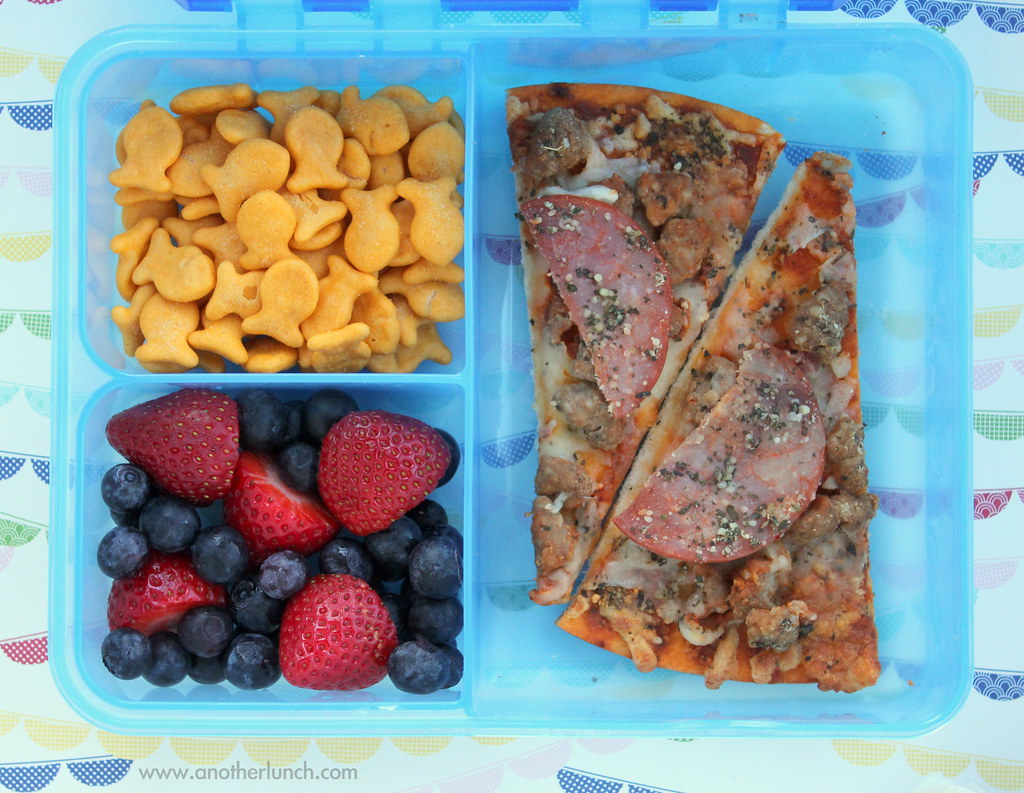
A trade observed on the Wednesday: a fruit pouch for a piece of string cheese. Another: half a Goldfish bag for a chocolate from a homemade lunch.
The aides know. The children know the aides know. There is a kind of understanding.
The packed-lunch survey. The writer asked twelve parents what they packed the most and what they wished they packed. There was, in almost every case, a gap.
Most parents packed sandwiches, fruit, a small snack, and a drink. Most parents wished they packed leftovers from dinner, more vegetables, and homemade baked goods. Almost no parent reported having the time, on a Tuesday night, to make the lunches they wished they were making.
One mother, Reema Singh, whose son Aman is in fourth grade, said: I had this idea, when I had a baby, that I would pack these beautiful bento boxes. I have a bento box. I use it for leftover rice. He eats peanut-butter sandwiches.
What the kids said. The writer asked twenty-six children what they would pack for themselves, if they had to. The answers were, in summary: bread, cheese, fruit, something sweet, and a drink.
The most-cited specific food was a quesadilla, mentioned by seven children. A quesadilla, in this context, was a flour tortilla folded around shredded cheddar and microwaved for thirty seconds. Several children volunteered that their mothers made them on the weekend and packed them cold.
Cold quesadillas, the writer learned, are eaten with great consistency by children aged six to nine. This was, of all the findings, the one she had not predicted.
The packed-lunch grace. Most parents will lose this argument. The lunch box that comes home half-full is not, in most cases, a failure of parenting. It is the result of a child eating in a noisy room for twenty minutes with friends they would rather talk to than chew with.
Mrs. Carrasco said, in the cafeteria on the last day of observation, that she had given up on the perfect lunch a decade ago. I pack what my own daughter will eat, she said. I pack it small. I pack it the night before. I don't take it personally if it comes back.
Her daughter, now eleven, eats roughly the same lunch every day: a turkey sandwich on white bread, a small bag of pretzels, an apple, and a granola bar. She has eaten this lunch, with minor variations, since first grade.
She is, by her mother's account, a perfectly healthy child. She also, on weekends, eats long elaborate dinners with vegetables and grains and other things her mother makes.
The packed lunch is not, perhaps, the place where nutrition is built. It is the place where the day is got through.
The writer left the cafeteria on Friday at 12:25, smelling of warm tortillas and glue. She drove home and made her own son, a third-grader at a different school, a peanut-butter sandwich for the next morning. He ate it. She did not put a carrot in.